NASA’s Curiosity Mars Rover Discovers Field of Honeycomb Textures - NASA
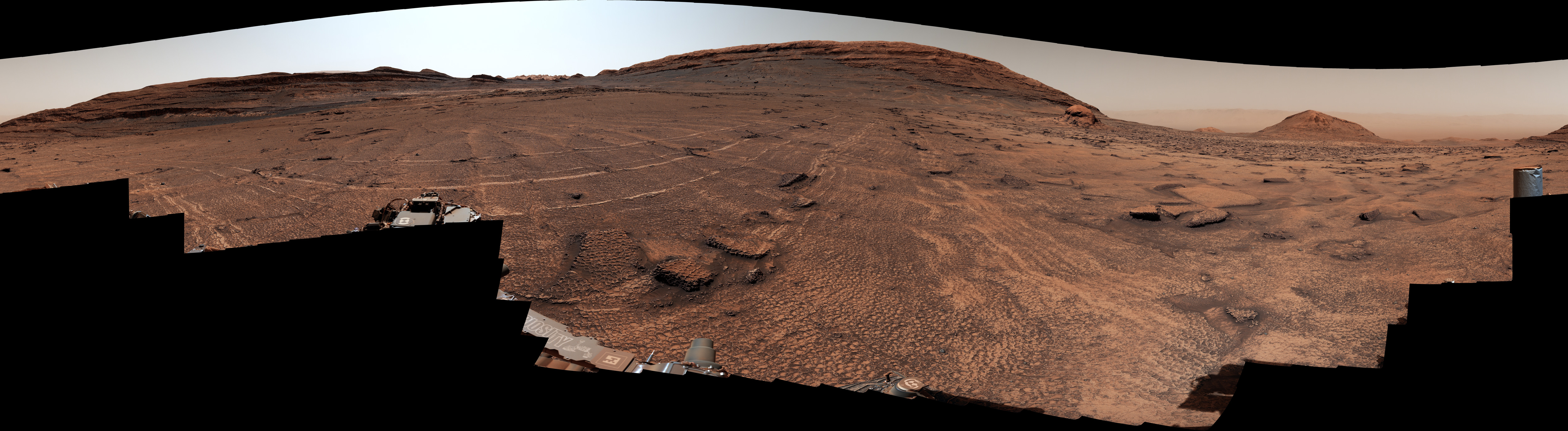
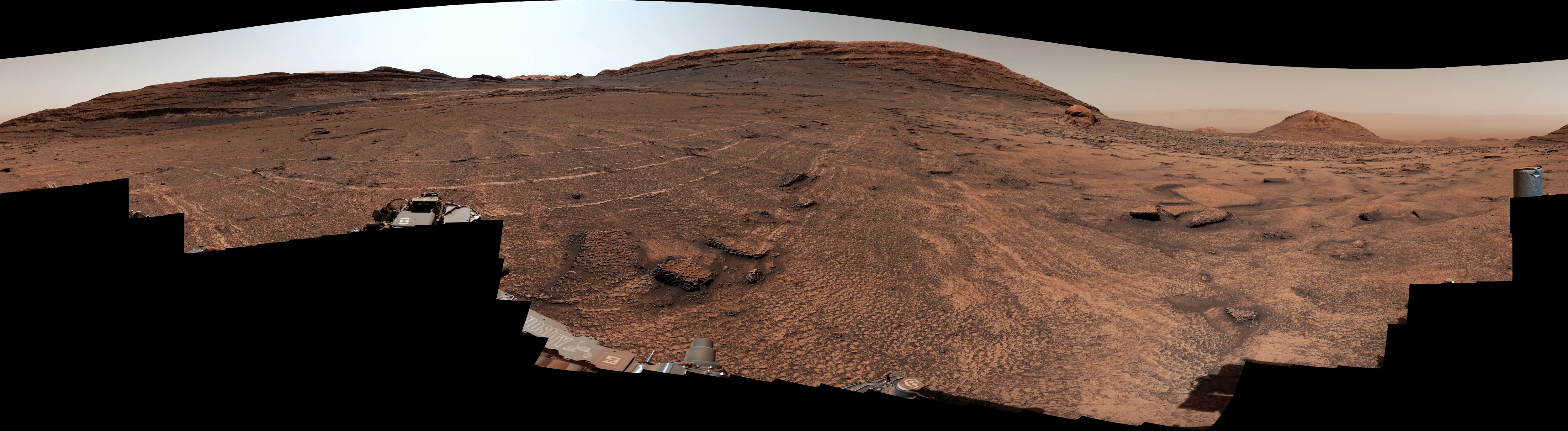
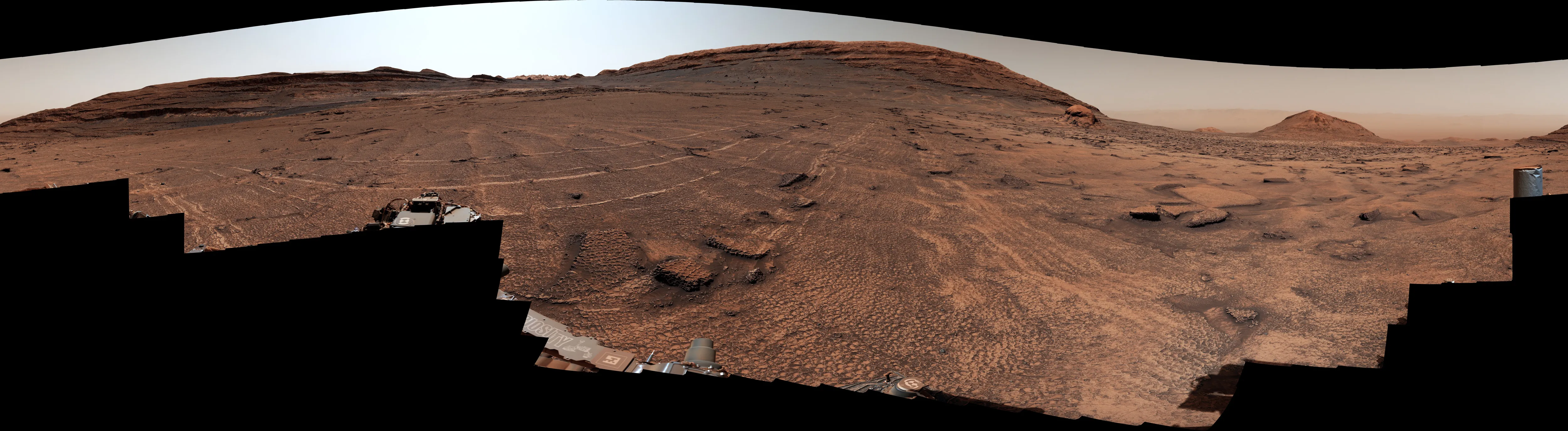
Summary: NASA's Curiosity rover has discovered an extensive field of honeycomb-like polygonal fractures in a Martian valley nicknamed 'Valle Grande.'
In June 2026, during its 4,930th and 4,931st sols on Mars, the Curiosity rover captured a 360-degree panorama revealing a vast expanse of polygonal fractures. These honeycomb-like textures, measuring 1.5 to 3 inches across, cover the terrain of a valley known as 'Valle Grande' and extend toward a 20-foot-tall sand-capped butte called 'Miraflores.' Scientists are studying these geometric patterns to determine if they formed through mud cracking, temperature fluctuations, or sediment compression, as part of the ongoing mission to understand the ancient Martian environment's potential to support microbial life.
Document outline
1. Introduction to the discovery of honeycomb textures in Valle Grande 2. Technical details of the 360-degree panorama (Sols 4930-4931) 3. Description of the Miraflores butte 4. Scientific theories regarding the formation of polygonal fractures 5. Context of Curiosity's mission and previous findings related to ancient Martian habitability