A Moonlit Earth as Seen From Artemis II - NASA Science
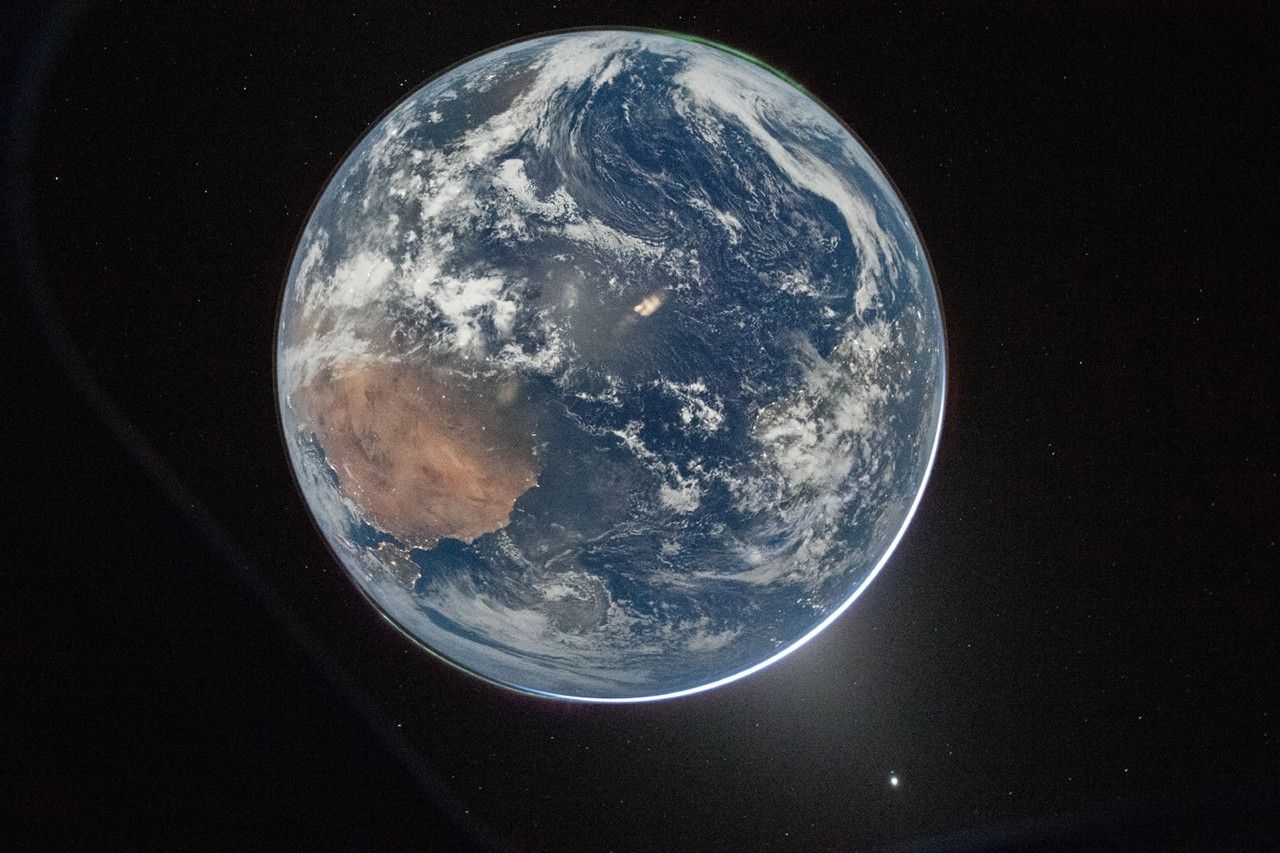
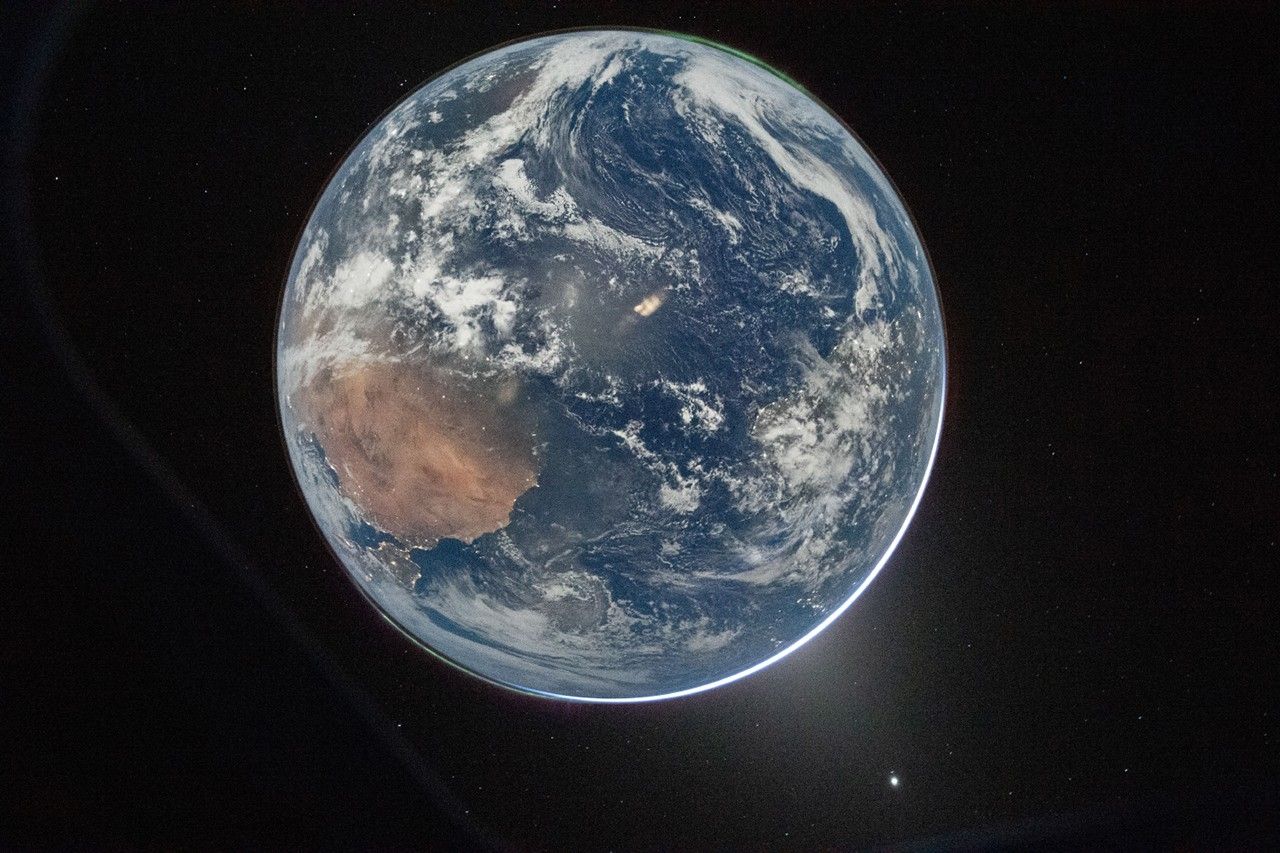
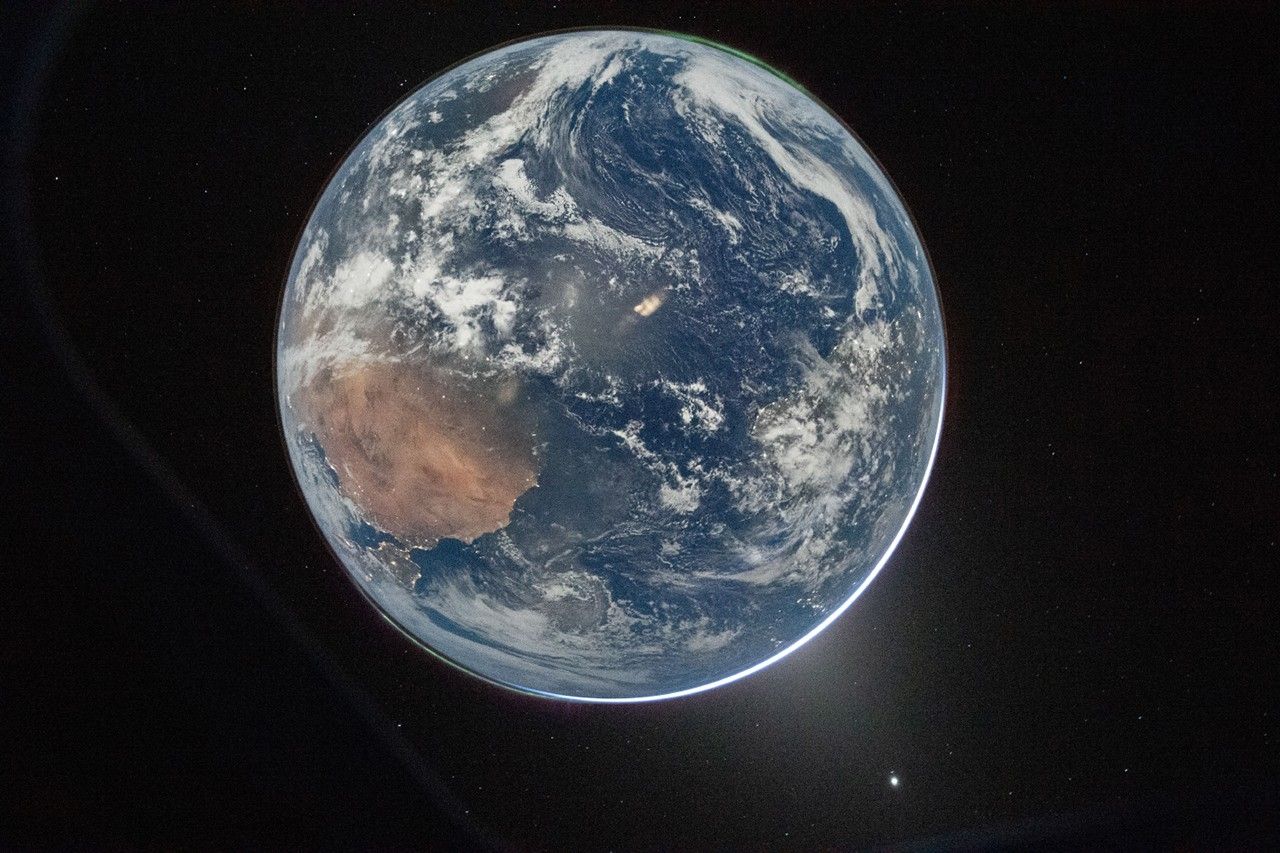
Summary: Captured by an Artemis II astronaut from the Orion spacecraft, this image shows a full-disk view of Earth illuminated by moonlight, featuring city lights, auroras, and zodiacal light.
This photograph, taken from the Orion spacecraft during the Artemis II mission following the translunar injection burn, provides a unique, high-sensitivity view of Earth. Because the spacecraft was positioned such that Earth eclipsed the Sun, the visible hemisphere is illuminated by moonlight rather than direct sunlight. The image captures significant details, including city lights across continents, green auroras at the poles, the faint glow of zodiacal light, and the planet Venus. To achieve this, the crew utilized a high ISO setting of 51,200, offering a rare, human-captured perspective of Earth as a dynamic, life-harboring body within the solar system.
Document outline
1. Introduction: A unique perspective of Earth from the Artemis II mission. 2. Technical details: How the image was captured using high ISO settings (51,200) to reveal low-light features. 3. Visual elements: Identification of city lights, auroras, zodiacal light, and the planet Venus. 4. Scientific context: The significance of observing Earth as a solar system body and the potential for future Earth science. 5. Historical comparison: How this image relates to previous space-based photography like Apollo 12 and the Black Marble product suite.